
10, Sep 2025
Winter’s Comfort: Traditional North Indian Gajar Ka Halwa Bliss
Gajar Ka Halwa is a heartwarming winter treat, slow-cooked to melt-in-your-mouth perfection—grated carrots simmered in milk, enriched with ghee, sweetened, and studded with nuts and fragrant spices.
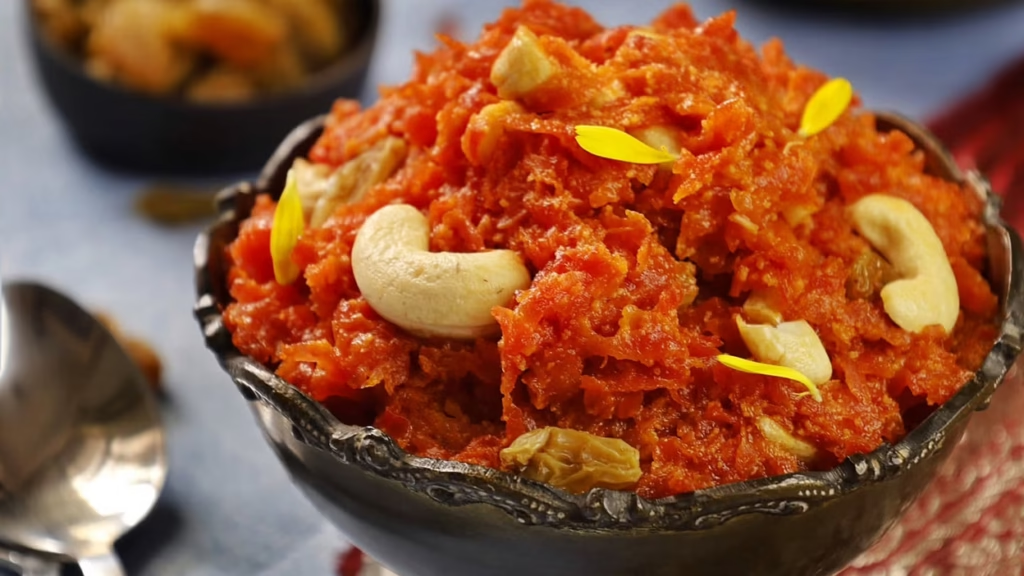
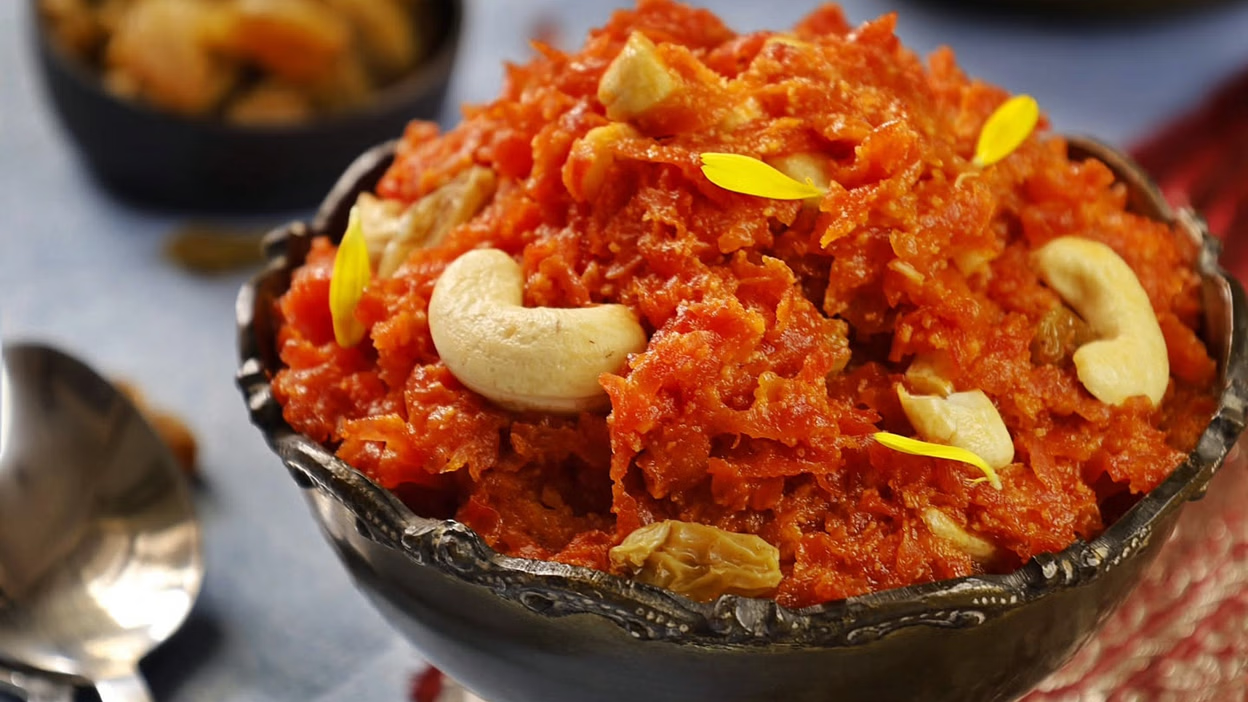
Gajar ka halwa is the ultimate cozy dessert of the Indian winter—rich, fragrant, and filled with the comforting sweetness of slow-cooked carrots. As winter’s chill sets in, nothing warms the heart quite like Gajar Ka Halwa—also fondly known as Carrot Halwa or Gajrela. Born in North India, this cherished dessert brings together freshly grated carrots, slow-simmered with rich milk, silky ghee, fragrant cardamom, and just the right touch of sweetness. Topped with a vibrant mix of nuts, it almost glows with warmth and love—making it a beloved centerpiece during Diwali, Holi, and cozy family celebrations..
Ingredients
To prepare authentic Gajar Ka Halwa, you’ll need to gather the following ingredients.
- Carrots: 1 kg (preferably red carrots for their natural sweetness)
- Full-fat milk: 1 liter
- Ghee (clarified butter): 4 tablespoons
- Sugar: 150–200 grams (adjust to taste)
- Cardamom powder: 1 teaspoon
- Cashews: 10–12, chopped
- Almonds: 10–12, chopped
- Raisins: 2 tablespoons
Step-by-Step Preparation
1. Preparation of Carrots
- Give the carrots a quick wash and peel, then grate them with a medium-sized grater—enough to make about four cups of grated carrot.
2. Cooking the Carrots
- Warm about 2 tablespoons of ghee in a sturdy, heavy-bottomed pan (or kadai) over medium heat.
- Stir in the grated carrots and let them gently sizzle for about five to seven minutes—just until they soften and fill the kitchen with that warm, inviting scent.
3. Simmering with Milk
- Add the whole milk, then warm the mixture slowly until it just begins to simmer.
- Turn the heat down to low and let the mixture gently simmer, stirring now and then, until most of the milk has evaporated. This should take around 45 minutes to an hour.
4. Incorporating Sugar and Cardamom
- Once the milk has thickened, go ahead and stir in the sugar until it’s fully dissolved and everything is nicely blended.
- Let it simmer gently on low flame—just enough to coax the sugar into melting into the mix and give it time to thicken up beautifully.
- Sprinkle in the cardamom powder and stir until the halwa is richly scented with its warm, floral aroma.
5. Final Touches with Ghee and Nuts
- In a separate small pan, gently heat the remaining 2 tablespoons of ghee over medium-low heat until it melts and becomes fragrant.
- Gently roast the chopped cashews, almonds, and raisins in a pan until they achieve a golden brown hue.
- To achieve a beautifully textured and flavorful halwa, it’s essential to incorporate the fried nuts, raisins, and ghee at the right stage.
Serving Suggestions
- Gajar Ka Halwa can be served warm or chilled, depending on personal preference.
- It pairs wonderfully with a scoop of vanilla ice cream or a dollop of fresh cream for added indulgence.
- Garnish with additional chopped nuts or a sprinkle of saffron strands for an elegant presentation.
Tips for the Perfect Halwa
- Choice of Carrots: Opt for red carrots during the winter season, as they are sweeter and impart a vibrant color to the halwa.
- Consistent Stirring: Regular stirring prevents the mixture from sticking to the bottom and ensures even cooking.
- Ghee Quality: Using homemade or high-quality ghee enhances the flavor and aroma of the halwa.
- Adjusting Sweetness: Taste the halwa before adding the full amount of sugar, as the natural sweetness of the carrots can vary.
Nutritional Information (Per Serving)
- Calories: Approximately 250–300 kcal
- Carbohydrates: 30–35 grams
- Protein: 4–5 grams
- Fat: 12–15 grams
- Fiber: 2–3 grams
Note: Nutritional values are approximate and can vary based on specific ingredients used.
Variations to Explore
- Khoya Addition: Incorporate 100 grams of grated khoya (mawa) during the final stages of cooking for a richer texture.
- Condensed Milk Shortcut: Replace milk and sugar with 400 grams of condensed milk to reduce cooking time.
- Vegan Version: Use almond or coconut milk and plant-based ghee substitutes to make a vegan-friendly halwa.
Cultural Significance
Gajar Ka Halwa holds a special place in Indian culinary traditions. It’s not just a dessert but a symbol of warmth and celebration. Families often prepare it during festivals and special occasions, sharing it with guests as a gesture of hospitality and love. Its preparation, involving patience and care, reflects the essence of Indian cooking—where food is an expression of affection and togetherness.
Storage and Reheating
- Refrigeration: Store the halwa in an airtight container in the refrigerator for up to a week.
- Freezing: For longer storage, freeze the halwa in freezer-safe containers for up to a month.
- Reheating: Thaw frozen halwa in the refrigerator overnight. Reheat in a pan over low heat or microwave until warm, adding a splash of milk if needed to restore moisture.
Conclusion
Gajar Ka Halwa is more than just a dessert; it’s a cherished tradition that brings families together, especially during the colder months. Its rich flavors, comforting warmth, and cultural significance make it a timeless favorite. Whether you’re making it for the first time or revisiting a family recipe, the process of creating this delightful sweet is as rewarding as savoring its taste.
- 0
- By akhileshrajput31695@gmail.com
- September 10, 2025 09:21 AM